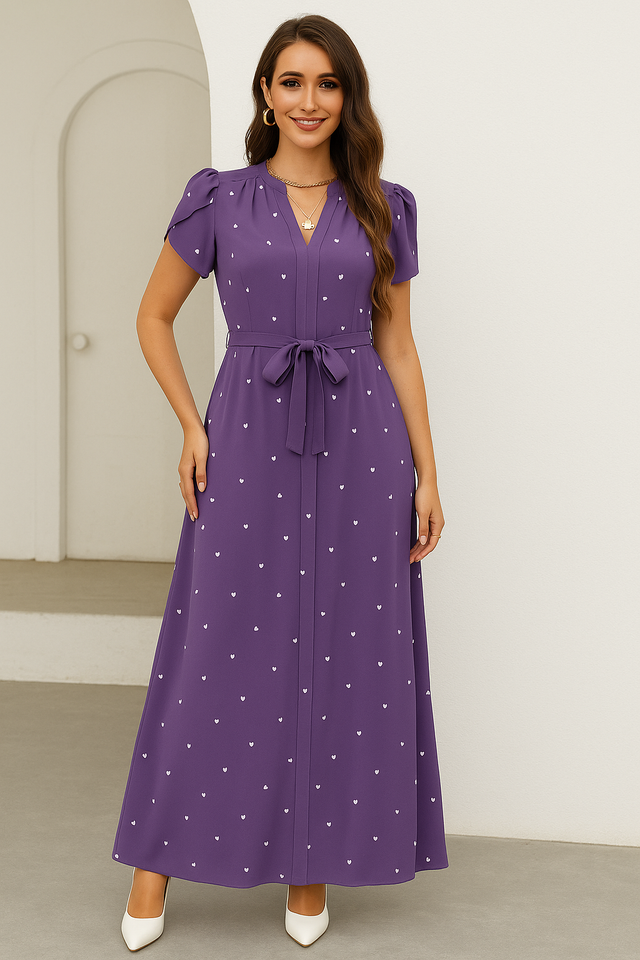
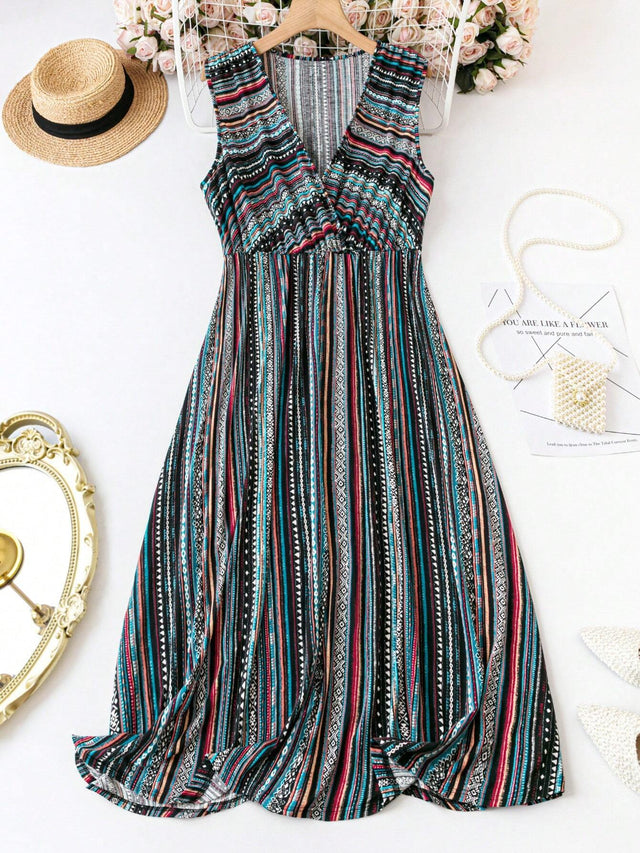
When a shirt looks polished in a product photo, it is tempting to choose your usual size and check out. But two shirts labelled “M” can fit differently, and even the right bust measurement may not guarantee comfort around the shoulders or upper arms. This guide helps Indian shoppers assess women’s western shirts before ordering.
1. Check the shoulder seam before anything else
On a regular-fit shirt, the shoulder seam usually sits close to the edge of the shoulder. A seam that falls far down the upper arm can indicate a relaxed or oversized cut; that may be intentional, but it changes how the garment hangs. A seam that sits too far inward can make reaching forward uncomfortable. Compare product photographs with the stated fit.
If the brand lists shoulder width, measure a shirt you already enjoy wearing from shoulder seam to shoulder seam on a flat surface. Compare that number with the listing, allowing for differences in fabric and cut.
2. Allow room across the bust and button placket
For button-down shirts, bust fit matters while standing and sitting. If the fabric pulls between buttons, the shirt may be too snug even when the waist feels comfortable. A woven, non-stretch fabric generally needs more wearing ease than a stretch knit. Check whether the size chart describes body measurements or finished garment dimensions; those are not interchangeable.
Try the seated desk test with a shirt you own: sit, lean forward and reach for a bag. Notice where it pulls. Use that experience to choose a new shirt’s silhouette.
3. Look at upper-arm and cuff comfort
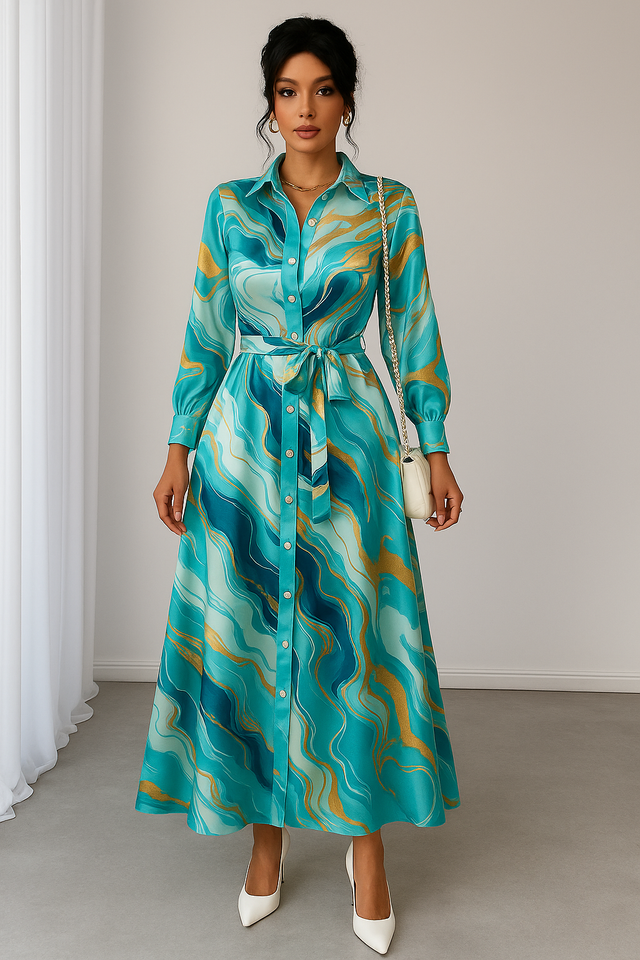
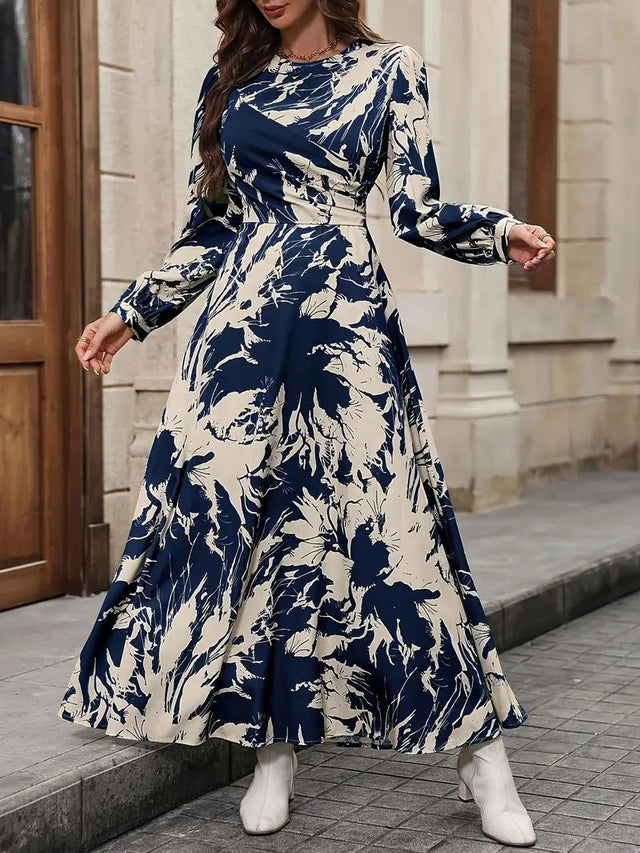
Long sleeves can feel restrictive even when the chest fits well. Look for photographs with arms slightly bent, and read the sleeve description: straight, cuffed, puffed or fitted. For office wear, a sleeve that rolls neatly to the forearm is often useful in warm weather or during a commute. If the cuff is buttoned, make sure it has enough room to move over your wrist.

4. Match shirt length to the way you wear it
Shirt length changes outfit proportions. A shorter top may sit neatly over high-waisted trousers, while a longer shirt can be worn untucked with straight jeans. If you intend to tuck a shirt into trousers, check that it is long enough to stay tucked when you sit or reach up. Compare the garment’s listed length with a favourite shirt measured from the high shoulder point.
5. Read fabric and care details
Rayon often offers a fluid drape and soft hand feel, but care needs vary. Polyester shirts range from airy woven styles to denser fabrics, so the fibre name alone does not predict comfort. A non-stretch woven shirt will move differently from a stretch-blend top. Check material, opacity, lining and washing instructions for the exact item. If care details are unclear, ask the seller.
For Indian conditions, consider your routine. A lightweight shirt may be useful for humid travel, while a structured collar can look smart in air-conditioned workplaces. Comfort depends on construction and personal preference.
6. Inspect the collar, print and product photographs
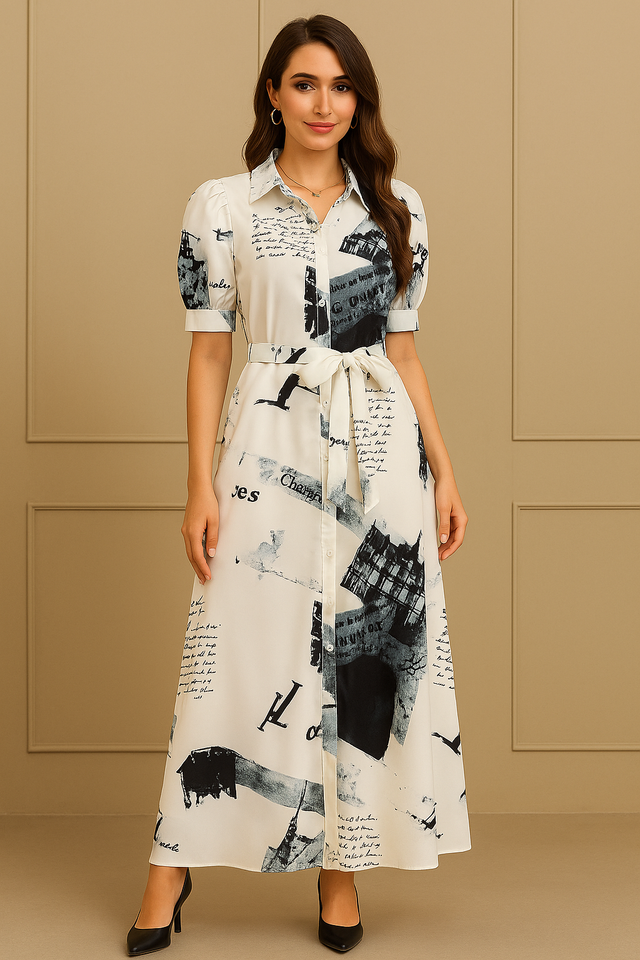
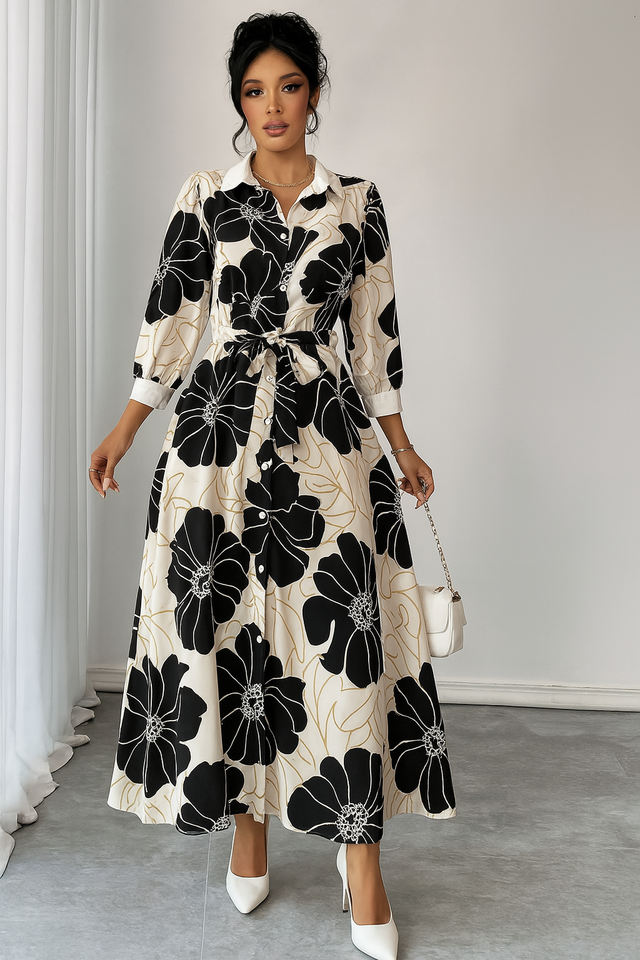
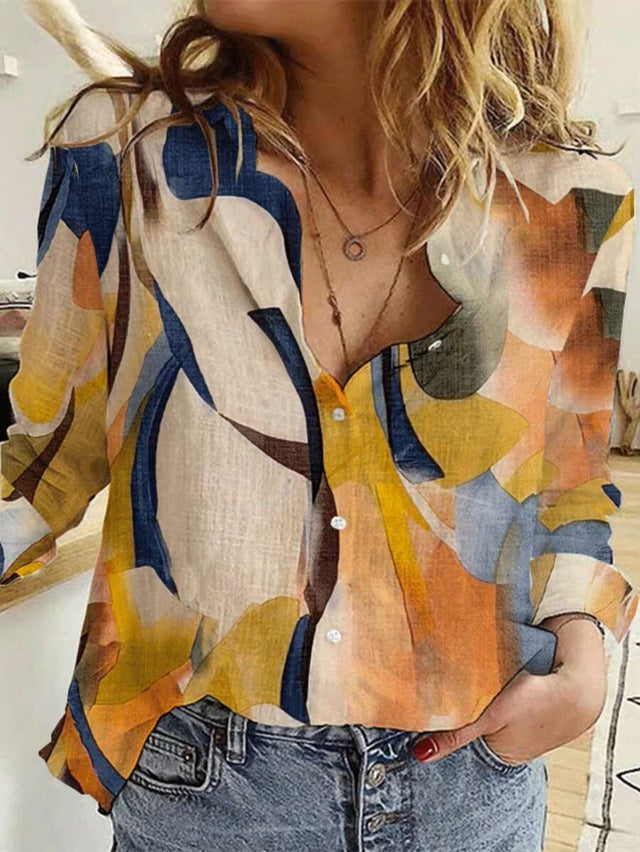
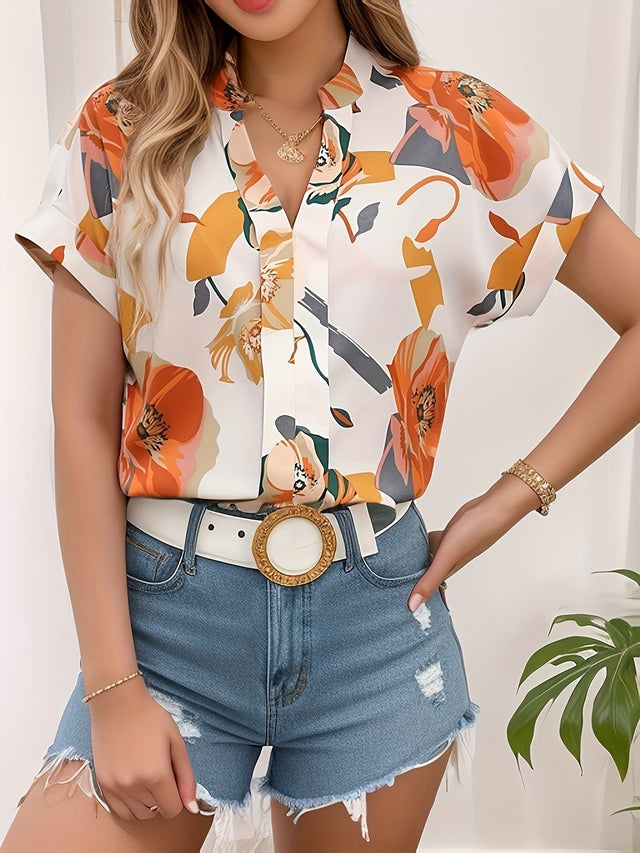
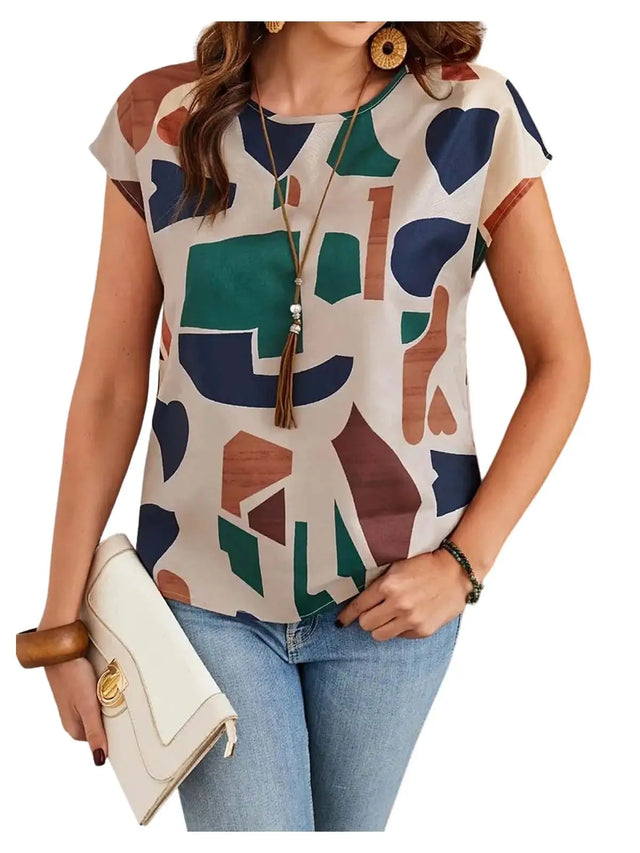
Collars shape how a shirt looks near the face. A classic pointed collar can feel more formal; an open collar can be relaxed. Compare front, side and close-up photographs. Check whether a bold print continues across seams and whether the description explains possible colour variation caused by lighting. Product images help assess shape, but are not a substitute for garment measurements.

A five-minute online shopping checklist
Before ordering, write down your bust measurement and compare it with the product-specific chart. Check shoulder and sleeve dimensions if provided, note whether the fabric stretches, confirm length, and read the return or exchange policy. Keep a measurement of one well-fitting shirt as a reference.
Where to explore shirt styles
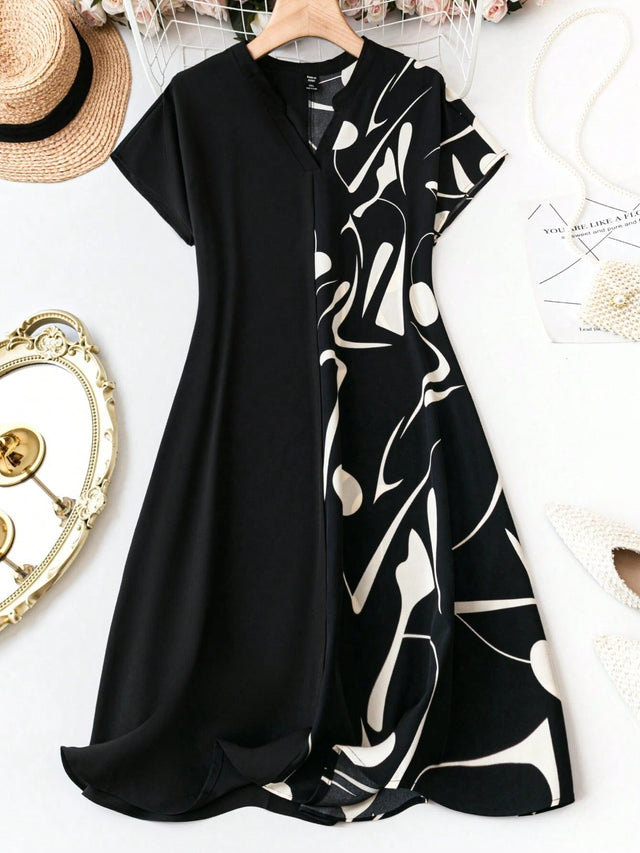
Compare silhouettes in MyWestern’s shirts for women collection or browse western tops for women. For details see the printed rayon shirt top and two-tone long-sleeve shirt. Confirm current measurements and availability on the product page.
Frequently asked questions
Should I always buy one size bigger?
No. Start with the item’s chart and intended silhouette. Oversized and fitted shirts are designed differently.
How can I tell whether a shirt will gap at the bust?
Compare bust measurements with the size chart, check stretch and consider movement ease.
Is rayon a good choice for daily shirts?
It can be comfortable and drape well, but read the specific care label and consider the weave and weather.
Bottom line: The best shirt is the one whose shoulders, bust, sleeves and length work with your daily movements.